Articles for Parents & Caregivers
Helpful insights and stories to make dental care a joyful part of your family's routine.
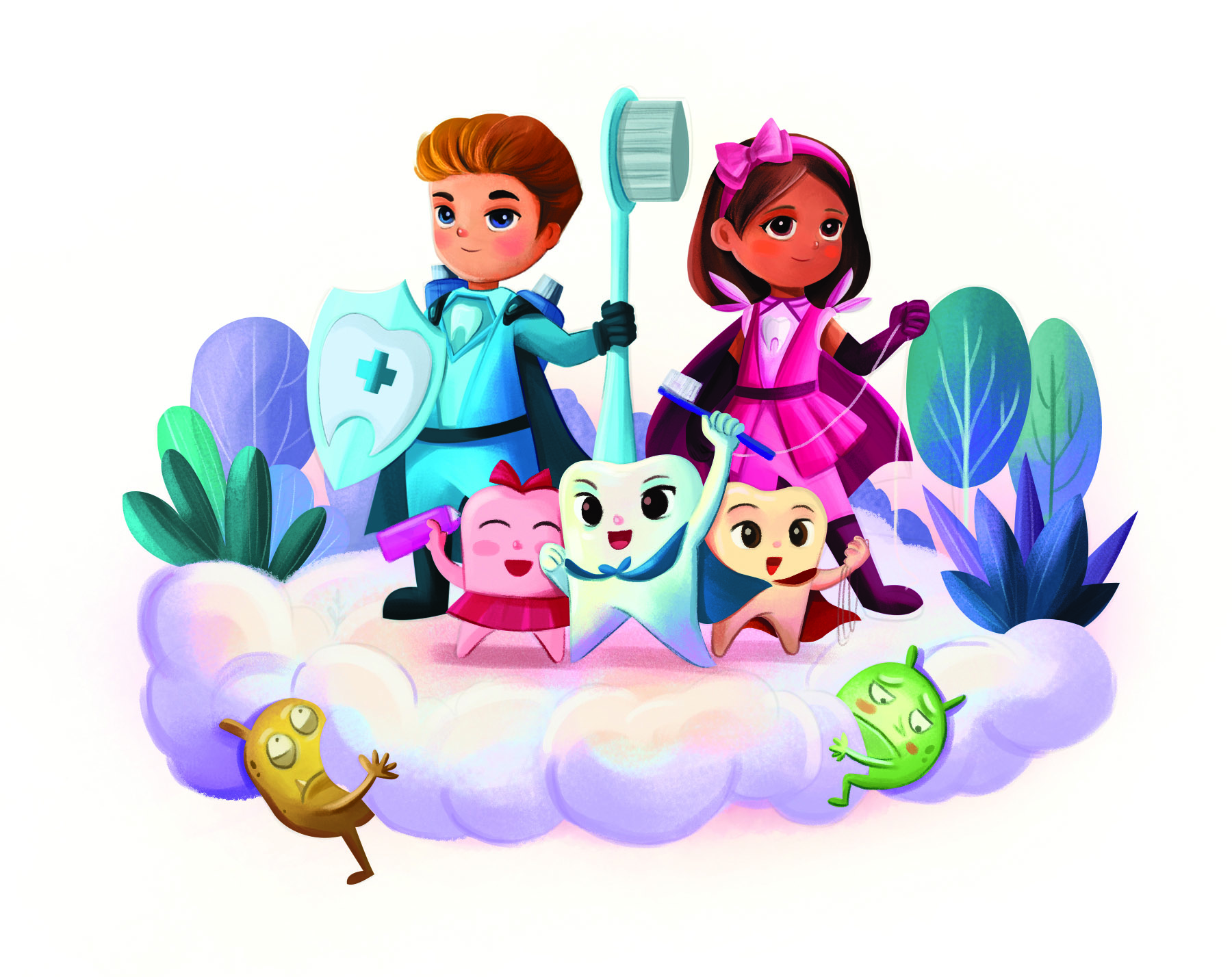
How to Use Super Toothbrush and Flossy Gal The Battle Against the Sugar Bugs at Home
Many parents discover Super Toothbrush and Flossy Gal The Battle Against the Sugar Bugs and ask the same question. How should we use this book so it actually helps with brushing and flossing? The answer is simple. The story is not meant to teach or correct children. It is meant to invite imagination so brushing and flossing become something your child wants to participate in.
Read Article
Why Kids Resist Brushing and How Stories Change Behavior
Kids resist brushing because it feels controlling, unfamiliar, and disconnected from meaning. Stories change behavior by giving children emotional context, identity, and choice, turning brushing from a demand into a purpose-driven action.
Read Article
How to Turn Brushing and Flossing Into a Positive Family Ritual
Brushing and flossing become positive family rituals when they are rooted in play, emotional connection, and shared meaning rather than pressure or enforcement.
Read Article
Why Won't My Child Brush Their Teeth Even When I Help Them?
Children often resist brushing even with caregiver help because the experience feels intrusive, pressured, or disconnected from their inner world. Lasting cooperation emerges when brushing shifts from instruction and assistance into play, imagination, and emotional safety.
Read ArticleHow Do I Get My Toddler or Preschooler to Cooperate With Brushing and Flossing?
Toddlers and preschoolers cooperate with brushing and flossing when the routine feels playful, emotionally safe, and self chosen rather than directed or corrected. Cooperation grows when imagination leads and pressure is removed.
Read Article
What Age Should Children Start Brushing Their Own Teeth?
Many parents want clarity on independence and developmental readiness. The answer involves understanding both physical coordination and emotional engagement with oral care.
Read Article
When Should Children Start Flossing and How Often?
Children can begin being introduced to flossing as soon as teeth begin touching, but flossing becomes a shared, supported routine long before it becomes an independent habit. Consistency matters more than perfection.
Read Article
How Can I Make Brushing Fun or Less Stressful for My Child?
Brushing becomes fun and less stressful when it shifts from a task to complete into a moment of play, imagination, and connection. Children engage more willingly when brushing feels emotionally safe and meaningful.
Read ArticleWhy Fun Matters More Than Instruction When Teaching Kids to Brush
Fun matters more than instruction because children change behavior through emotion and experience, not explanation. When brushing feels playful and safe, cooperation develops naturally without pressure or correction.
Read ArticleHelping Children Feel Confident About Dental Visits Before They Happen
Children feel more confident about dental visits when emotional preparation happens before the appointment, not in the chair. Confidence grows through familiarity, imagination, and a sense of safety.
Read ArticleWhat Dentists Wish Parents Knew About Kids' Oral Care at Home
Bridges trust between families and dental professionals without being clinical. Dentists wish parents understood how much of a child's oral health is shaped at home through connection, consistency, and emotional safety.
Read Article