What Age Should Children Start Brushing Their Own Teeth?
Many parents want clarity on independence and developmental readiness. The answer involves understanding both physical coordination and emotional engagement with oral care.
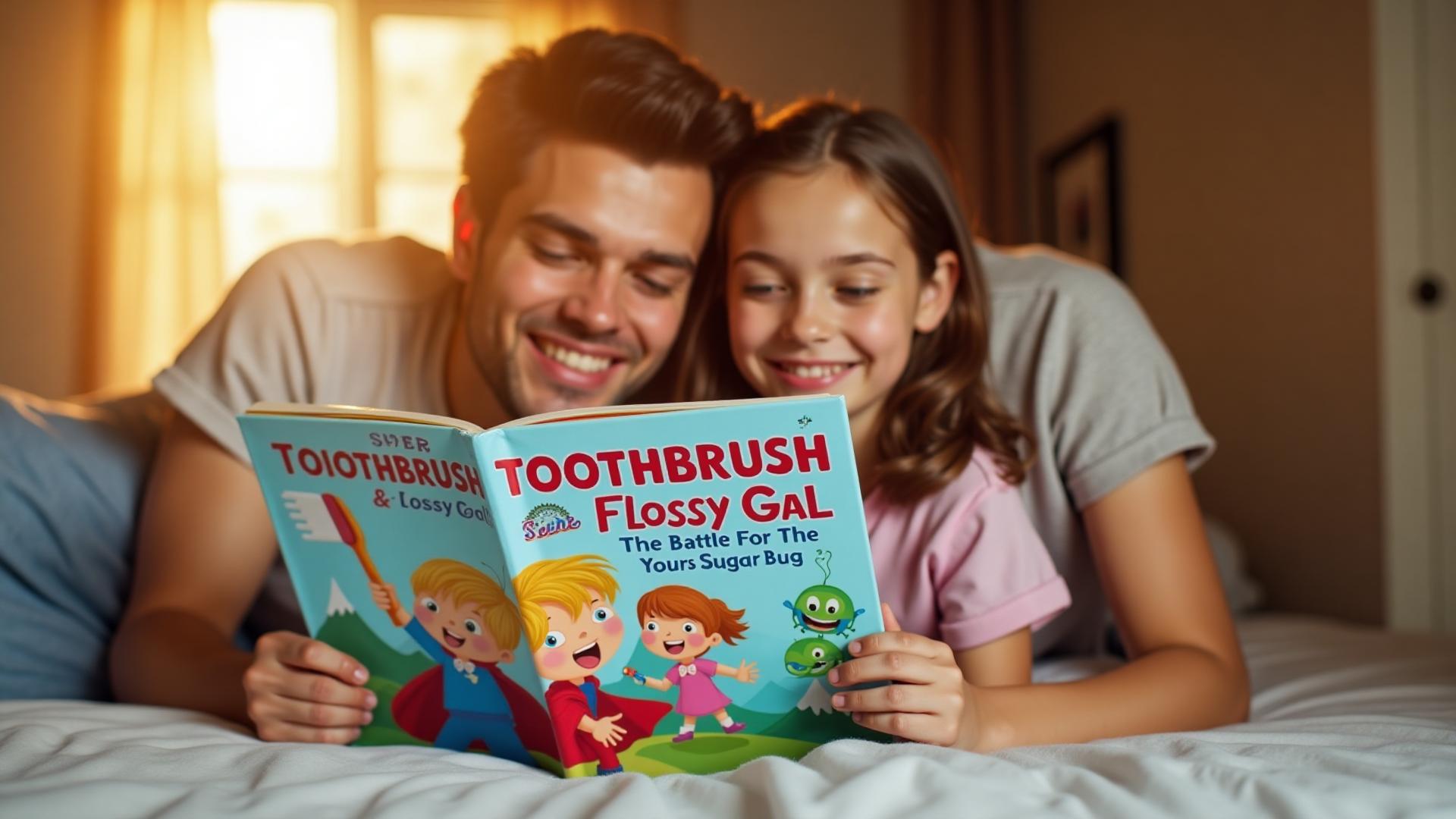
Parents often ask when their child is ready to brush independently. The answer is not just about age. It involves motor skills, attention span, and whether the child has developed an emotional connection to the routine.
General Guidelines by Age
While every child develops differently, here are general milestones to consider:
- Ages 0-2: Parents and caregivers do all the brushing. Introduce the toothbrush as a familiar, safe object.
- Ages 2-3: Children can hold the brush and mimic brushing motions. Parents still do the actual cleaning.
- Ages 3-5: Children can start brushing with supervision. Parents follow up to ensure all surfaces are cleaned.
- Ages 5-7: Children develop better coordination. Parents should still supervise and assist with hard-to-reach areas.
- Ages 7-8 and beyond: Most children can brush independently, though occasional check-ins remain helpful.
Why Physical Readiness Is Only Part of the Answer
A child may have the motor skills to brush but lack the motivation or attention span to do it thoroughly.
Independence works best when children:
- understand why brushing matters
- feel positive about the routine
- have developed internal motivation rather than external pressure
This is where emotional engagement becomes as important as physical ability.
Signs Your Child May Be Ready for More Independence
Watch for these indicators:
- They can tie their shoes or button clothing (fine motor milestone)
- They brush without constant reminders
- They show interest in doing it themselves
- They can follow multi-step instructions
- They understand the concept of cleaning all tooth surfaces
Why Rushing Independence Can Backfire
When children are given full responsibility before they are ready, several problems can arise:
- missed spots lead to cavities
- brushing becomes rushed or incomplete
- the habit may weaken without parental involvement
- children may lose interest when the novelty fades
Gradual transition works better than sudden handoff.
How Story and Play Support the Transition
Children who have an emotional connection to brushing transition to independence more smoothly.
When brushing is linked to story and imagination, children:
- remember to brush without reminders
- take more time and care
- feel ownership over the routine
- maintain the habit even without supervision
This is where Super Toothbrush and Flossy Gal: The Battle Against the Sugar Bugs helps bridge the gap.
When children see themselves as heroes protecting Tooth Town, brushing becomes part of their identity rather than a task assigned by adults.
The Role of Supervision Even After Independence
Even when children brush independently, parents play an ongoing role:
- checking that brushing lasts the full two minutes
- ensuring all tooth surfaces are reached
- monitoring fluoride toothpaste use
- helping with flossing until coordination develops
- maintaining regular dental checkups
Supervision can be light and supportive rather than controlling.
Flossing Requires More Time
Flossing demands finer motor control than brushing. Most children need help with flossing until age 10 or older.
Floss picks or flossers can make the transition easier, but parental involvement remains important for thoroughness.
A Gradual Approach to Independence
Rather than asking when a child is ready to brush alone, consider a gradual handoff:
- Start with the child brushing first, then parent finishes
- Transition to parent checking after the child brushes
- Move to occasional spot checks
- Eventually shift to full independence with periodic review
This approach respects the child's growing autonomy while ensuring oral health is protected.
What Dentists Recommend
Most pediatric dentists recommend that parents supervise or assist with brushing until around age 7 or 8.
The American Academy of Pediatric Dentistry suggests parents help with brushing until the child demonstrates consistent thorough cleaning, which varies by individual.
The Takeaway
There is no single age when children are ready to brush independently. Readiness depends on motor skills, attention span, and emotional connection to the routine.
Children who approach brushing with enthusiasm and understanding transition to independence more successfully than those who view it as a chore.
Stories and play build the foundation for lasting habits.
When brushing feels meaningful, independence follows naturally.
Ready to Build Lifelong Brushing Habits?
Discover how Super Toothbrush and Flossy Gal can help your child develop a positive relationship with dental care.
Learn More