Articles for Dental Professionals
Clinical insights and resources to support pediatric oral care conversations with families.
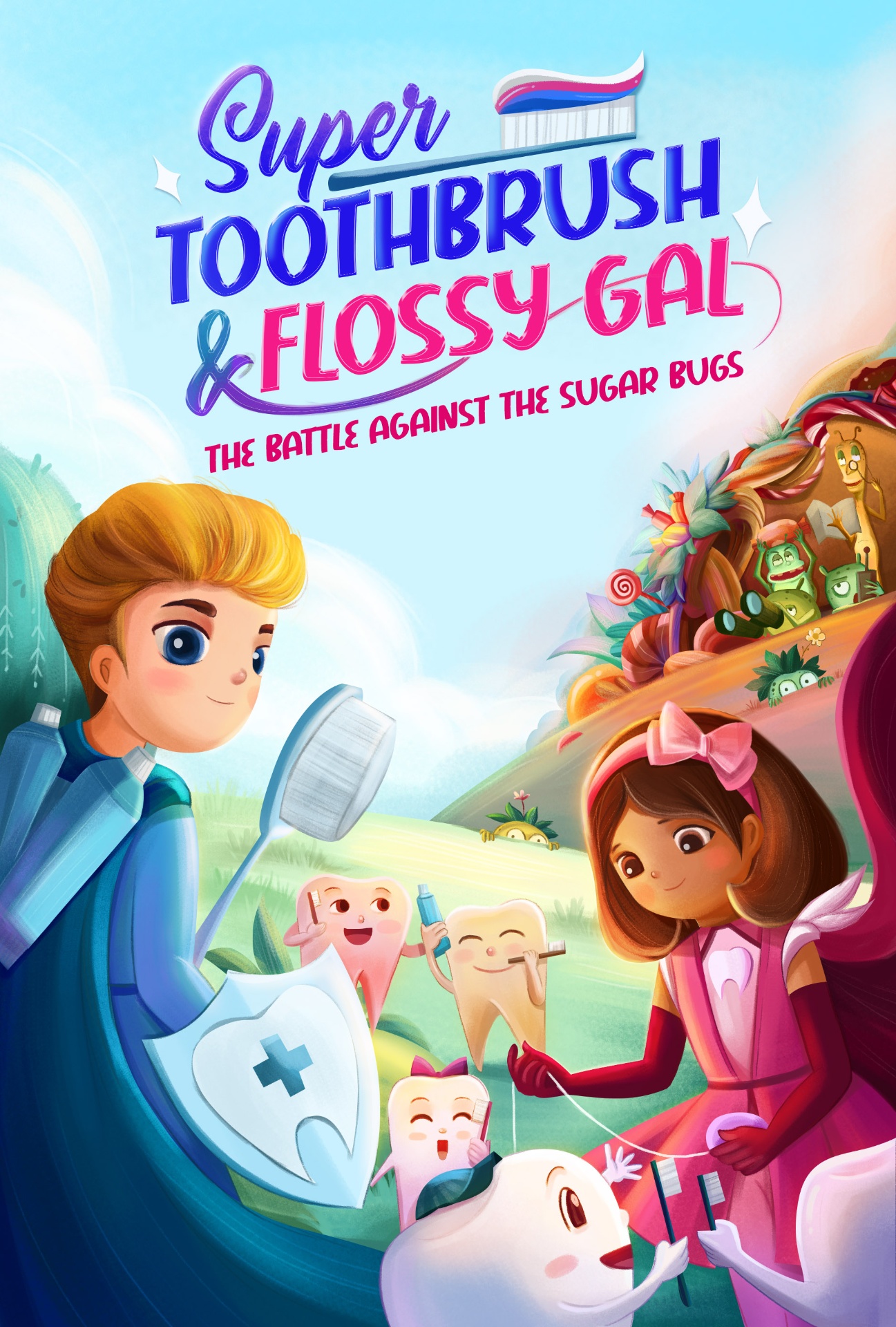
How Dental Practices Can Use Super Toothbrush and Flossy Gal The Battle Against the Sugar Bugs to Support Families
Dental professionals understand something parents often discover over time. The experience a child has in the dental chair shapes how they feel about oral care long after they leave the office. This book was created to support that gap between the dental visit and daily routines.
Read Article
How Can I Help a Child Who Refuses to Brush Their Teeth?
Children refuse brushing when the experience feels overwhelming, controlling, or emotionally unsafe. The most effective support comes from reducing pressure and restoring a sense of agency, familiarity, and play.
Read Article
What Are Common Causes for Children's Brushing Resistance?
Children resist brushing because the experience often conflicts with their sensory needs, emotional development, and desire for autonomy. Resistance is rarely about defiance and almost never about lack of understanding.
Read Article
What Role Does Behavior Guidance Play in Pediatric Dental Care?
Dental teams often look for frameworks that improve cooperation and reduce fear. Behavior guidance is a relational stance that shapes how a child experiences dental care from the moment they enter the office.
Read Article
How Do I Talk With Parents About Children's Dental Care at Home?
The most effective conversations with parents are grounded in reassurance, clarity, and shared intention. When parents feel supported rather than corrected, they are more open to guidance.
Read Article
How Can I Help Parents Establish Brushing Routines That Stick?
Brushing routines last when they are emotionally safe, predictable, and meaningful for the child. Long term habits form through familiarity and identity, not pressure or perfection.
Read Article
How Storytelling Improves Pediatric Patient Cooperation and Outcomes
Storytelling improves pediatric patient cooperation by creating emotional safety, familiarity, and meaning. When children feel safe and engaged, cooperation increases naturally and clinical outcomes improve.
Read Article
Supporting At Home Oral Care Without Adding Chair Time
Dental teams can support healthier at home oral care by extending emotional safety and familiarity beyond the appointment without adding education, instruction, or chair time.
Read ArticleWhy Positive Associations Matter More Than Instruction in Pediatric Dentistry
Positive associations shape how children experience oral care far more powerfully than instruction alone. When a child feels safe, familiar, and emotionally supported, cooperation and long term oral health outcomes improve naturally.
Read ArticleUsing Take Home Tools to Strengthen Parent Trust and Practice Loyalty
Take home tools strengthen parent trust by extending care beyond the appointment and reinforcing the relationship between families and the practice. When families feel supported at home, loyalty, retention, and referrals grow naturally.
Read ArticleCreating a Child Friendly Dental Experience That Families Remember
Families remember dental practices not only for treatment, but for how their children felt while receiving care. A child friendly experience is built through emotional safety, familiarity, and imagination, not instruction.
Read Article