How Do I Get My Toddler or Preschooler to Cooperate With Brushing and Flossing?
Toddlers and preschoolers cooperate with brushing and flossing when the routine feels playful, emotionally safe, and self chosen rather than directed or corrected. Cooperation grows when imagination leads and pressure is removed.
Families consistently look for cooperation, not compliance, because compliance is fragile. It works briefly and disappears as soon as pressure rises. Cooperation lasts because it belongs to the child.
Why Toddlers and Preschoolers Resist Brushing and Flossing
At this age, children are developing autonomy, sensory awareness, and emotional boundaries all at once.
Resistance commonly comes from:
- sensitivity to taste, texture, or sensation
- discomfort with hands in their mouth
- a desire for independence
- emotional overload during transitions
- feeling watched, rushed, or corrected
Even gentle assistance can feel overwhelming when the child experiences brushing as something happening to them instead of with them.
Why "Just Helping More" Often Backfires
When a child resists, the instinct is to help more, guide more, or explain more.
For young children, this often increases resistance because it amplifies the feeling of being controlled.
The issue is not skill. The issue is emotional framing.
Toddlers and preschoolers cooperate best when they feel safe, included, and respected.
Why Cooperation Is Different From Compliance
Compliance happens when a child submits. Cooperation happens when a child participates.
Compliance relies on authority. Cooperation relies on connection.
Long term oral care habits form through cooperation, not through force or repetition of instructions.
How Play Creates Willing Participation
Play removes the power struggle entirely.
When brushing and flossing become part of a story, the child is no longer responding to a demand. They are stepping into an experience.
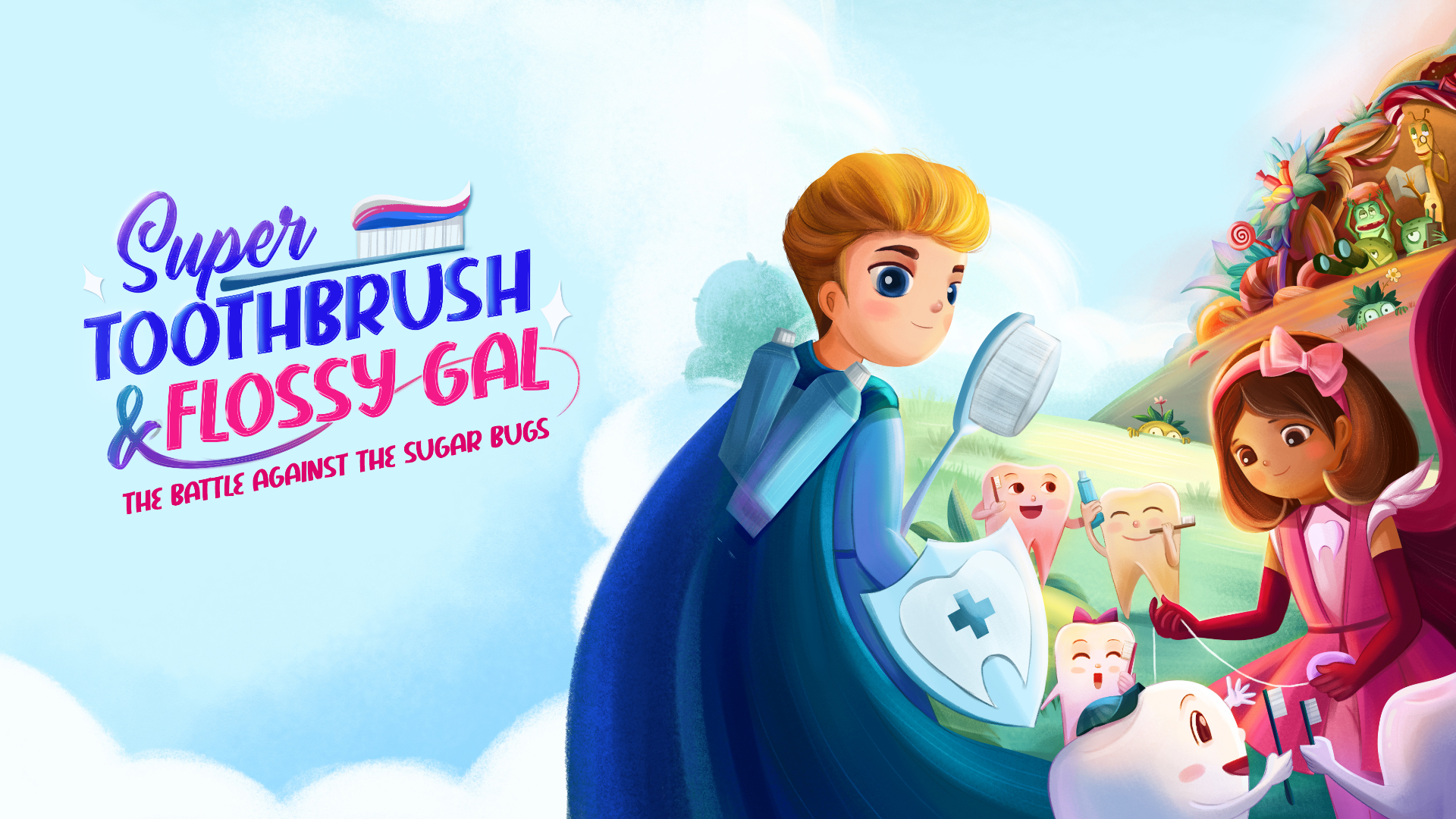
This is where Super Toothbrush and Flossy Gal: The Battle Against the Sugar Bugs becomes a bridge rather than a lesson.
The heroes are active. The moment has meaning. The child is not being corrected.
They are choosing to participate.
Why Imagination Works at This Age
Toddlers and preschoolers naturally live in imagination.
Stories meet them where they already are.
When brushing is framed as part of an unfolding story, cooperation emerges without negotiation. The child is not focused on the task. They are focused on the moment. This applies in the morning before leaving the house, during the day after meals, and at night as part of settling down. The emotional tone matters more than the time of day.
How to Invite Cooperation Without Teaching or Correcting
Parents often find success when they:
- let the story lead instead of instructions
- follow the child's pace rather than rushing
- allow choice within the routine
- stay present without directing every movement
- keep the moment light and relational
There is nothing to explain and nothing to correct. The routine unfolds through play.
What Happens When Children Feel Included
When toddlers and preschoolers feel included rather than managed, parents often notice:
- less physical resistance
- more openness to assistance
- smoother transitions
- fewer power struggles
- increased willingness to return to the routine
Children may still need help. The difference is that help no longer feels invasive.
Why This Supports Brushing and Flossing Together
Flossing is often resisted even more than brushing because it involves tighter spaces and unfamiliar sensations.
When flossing happens inside the same imaginative frame as brushing, it becomes part of the same experience rather than a separate challenge. The routine stays cohesive and emotionally safe.
A Gentle Shift That Changes Everything
Cooperation does not come from convincing a toddler or preschooler that brushing and flossing are important.
It comes from inviting them into a moment that feels playful, shared, and meaningful. When imagination leads, cooperation follows naturally.
The Takeaway
Toddlers and preschoolers cooperate with brushing and flossing when the routine respects their emotional world.
Play is not a distraction from the habit. Play is the pathway to the habit.
When the heroes are in motion, children no longer feel pressured. They feel involved.
That is where cooperation begins.
Ready to Transform Brushing Time?
Discover how Super Toothbrush and Flossy Gal can help your toddler or preschooler embrace dental care through the power of story.
Learn More