Why Won't My Child Brush Their Teeth Even When I Help Them?
Children often resist brushing even with caregiver help because the experience feels intrusive, pressured, or disconnected from their inner world. Lasting cooperation emerges when brushing shifts from instruction and assistance into play, imagination, and emotional safety.
Parents frequently say, "I am right there helping, and they still resist." This reaction is not a failure of effort or care. It is a signal about how children experience the moment.
Why Help Can Still Feel Like Pressure to a Child
When adults assist with brushing or flossing, children can experience several things at once:
- a loss of bodily autonomy
- heightened sensory awareness
- a feeling of being corrected
- emotional overwhelm
- anticipation of discomfort
Even gentle help can feel like something happening to them rather than with them. Resistance is often a child's way of protecting their sense of control.
Resistance Is About Emotion, Not Understanding
Most children know brushing matters. Resistance usually has nothing to do with understanding and everything to do with emotional context.
Children make decisions through feeling first. When brushing feels rushed, monitored, or outcome focused, their nervous system interprets it as unsafe, even when the intention is loving.
This is why explaining, reminding, or increasing assistance rarely resolves the issue.
Why Children Resist Both Doing It Themselves and Receiving Help
Many children resist brushing independently and resist help at the same time. This can feel confusing for parents.
What is happening is often a clash between two developmental needs:
- the need for independence
- the need for safety
When brushing is framed as a task to complete correctly, both needs feel threatened. The child cannot fully control it, and they do not feel emotionally held inside it.
How Play Changes the Entire Dynamic
Play shifts brushing out of the power struggle entirely.
When imagination enters the routine, brushing is no longer about compliance. It becomes an experience the child participates in willingly.
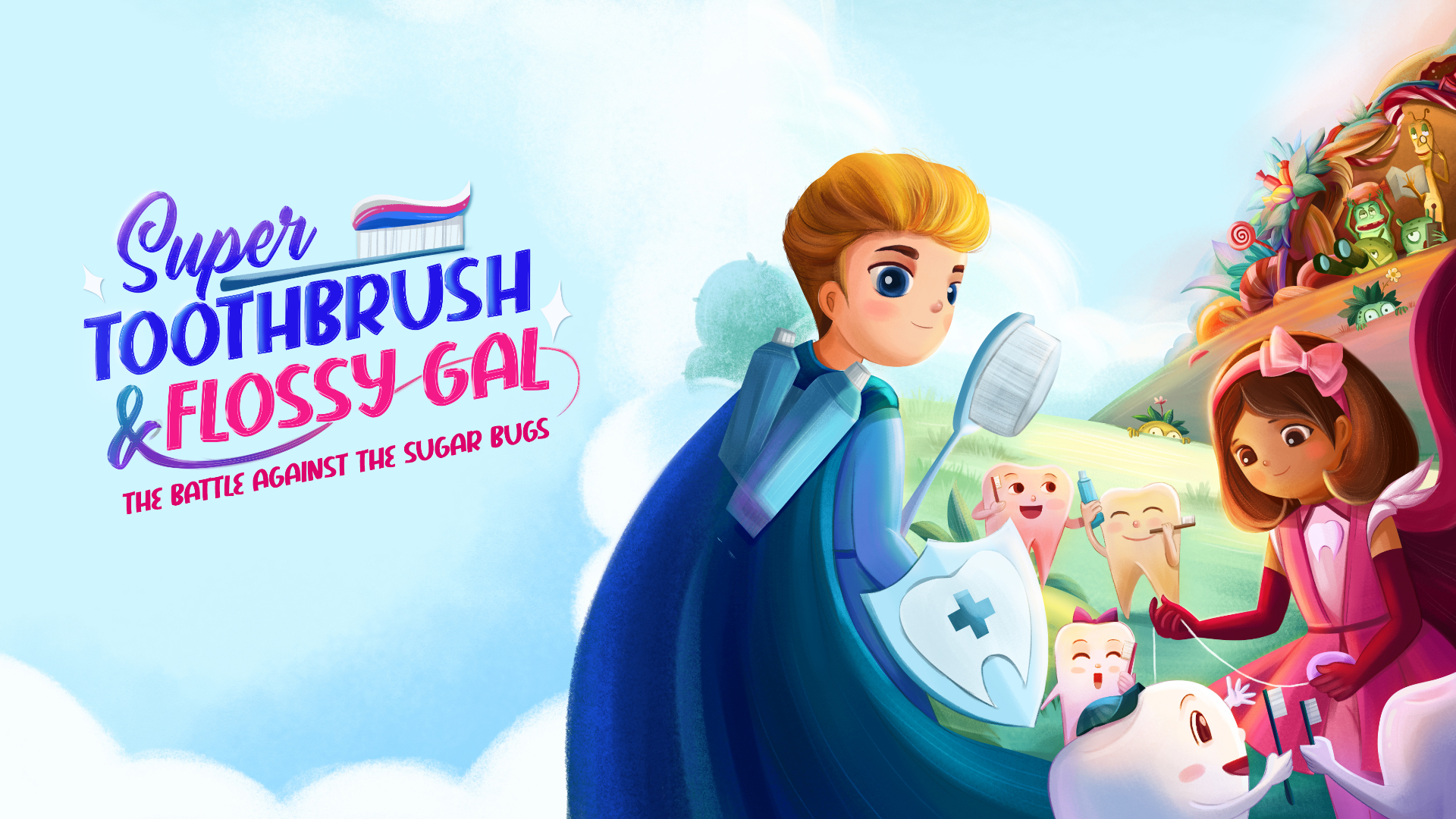
This is where Super Toothbrush and Flossy Gal: The Battle Against the Sugar Bugs changes everything.
The heroes take action. The child steps into the moment through story. The routine gains meaning without explanation.
No one is correcting. No one is teaching. No one is insisting.
The experience becomes active instead of enforced.
Why Stories Reduce Resistance Even With Assistance
When brushing is guided by story, assistance feels different.
Helping becomes part of the moment rather than something done to the child.
Parents often notice that children allow help more easily when the action is framed inside imagination. The heroes are in motion. The moment has purpose. The child feels included rather than managed.
This applies in the morning, before school, during the day when brushing happens after meals, and in the evening as part of winding down. The time of day matters less than the emotional frame.
What Parents Notice When Play Leads the Routine
Families who introduce story and imagination into brushing often notice:
- less tension during assistance
- increased willingness to participate
- fewer negotiations or refusals
- calmer transitions around brushing
- children initiating the routine themselves
The change does not come from convincing a child. It comes from inviting them.
Why Instruction Alone Cannot Create Lasting Change
Instruction works short term. Play works long term.
Children may comply temporarily when directed, but habits formed through pressure rarely stick. Habits formed through identity and imagination tend to repeat naturally.
When brushing becomes part of a story, it stops feeling like a requirement and starts feeling like something the child chooses.
A Gentle Reframe for Parents
If your child resists brushing even when you help, nothing is wrong with your approach or your care.
The resistance is not asking for more instruction. It is asking for a different entry point.
Play creates that opening. When imagination leads, cooperation follows without force.
The Takeaway
Children resist brushing with help because the experience feels emotionally misaligned, not because they are unwilling or defiant.
Stories allow brushing to become relational, purposeful, and safe.
When the heroes are in action, children no longer feel managed. They feel involved.
That is where change begins.
Ready to Transform Brushing Time?
Discover how Super Toothbrush and Flossy Gal can help your child embrace dental care through the power of story.
Learn More