Why Parents Trust Purpose Built Characters Over Licensed Entertainment
Parents make decisions differently than children do. While children are drawn to what feels exciting and familiar, caregivers look for meaning, intention, and alignment with their values. This difference explains why parents consistently place more trust in purpose built characters than in licensed entertainment when it comes to wellbeing and daily habits.
How Parents Evaluate What They Bring Into the Home
When parents choose products connected to their child's health, they assess more than recognition. They consider why something exists and what role it plays in their child's life.
Licensed entertainment characters are created to entertain. Their presence on products is often driven by attention rather than purpose. Parents understand this instinctively, even if they do not articulate it.
Purpose built characters signal a different intention.
Why Intent Matters More Than Familiarity
Parents are highly attuned to intent. A character created specifically to support brushing, flossing, and emotional comfort around oral care carries a different weight than one borrowed from unrelated media.
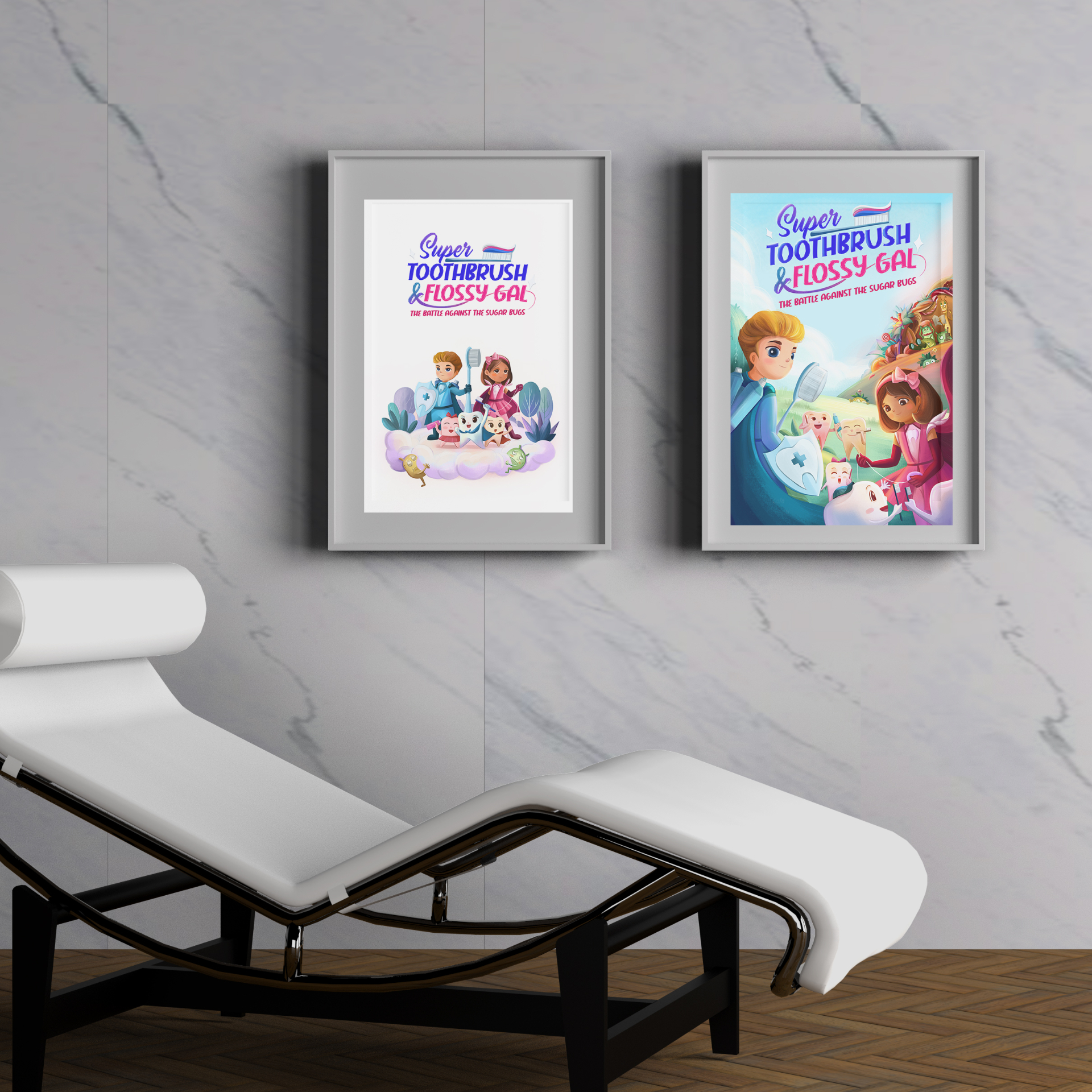
Super Toothbrush and Flossy Gal: The Battle Against the Sugar Bugs was created with a clear purpose. The story exists to invite imagination into a routine that is often stressful, repetitive, or resistant for children and caregivers alike.
That clarity builds trust.
Reducing the Sense of Manipulation
Many parents feel cautious around marketing aimed at children. When characters feel like tools to capture attention rather than support growth, parents disengage.
Purpose built characters reduce this concern. Their role feels transparent. The story supports the habit rather than distracting from it.
Parents do not feel sold to. They feel supported.
Supporting Emotional Safety in Daily Routines
Daily routines like brushing and flossing often involve resistance, negotiation, and assistance from caregivers. Parents want tools that soften these moments, not amplify them.
Stories rooted in wellbeing help children participate willingly rather than comply reluctantly. Parents experience less pressure and more cooperation.
Trust grows when a tool makes family life calmer rather than more complicated.
Why Alignment With Values Drives Loyalty
Parents gravitate toward brands that reflect their values. When characters exist to support health, imagination, and connection, they align with how parents want to care for their children.
This alignment creates loyalty that extends beyond a single product.
Families return to brands that feel intentional, respectful, and emotionally intelligent.
The Difference Between Attention and Engagement
Entertainment characters capture attention. Purpose built characters invite engagement.
Engagement lasts longer because it integrates into daily life. It shows up in routines, conversations, and shared moments between parent and child.
Parents recognize this difference quickly.
Why Trust Influences Word of Mouth
Parents share what works. When a story helps reduce friction at home, parents talk about it with other caregivers, dental professionals, and educators.
Trust based on real experience spreads naturally.
This is how purpose driven stories gain credibility without heavy promotion.
The Takeaway for Brands and Caregivers
Parents trust characters that exist to serve a meaningful role in their child's life.
When characters are created specifically to support wellbeing, they feel authentic rather than opportunistic. That authenticity builds trust, strengthens routines, and creates lasting connection.
Purpose is what transforms a story into something families rely on rather than simply consume.