Building Emotional Equity With Families Through Purpose Driven Characters
Emotional equity is built when families feel understood, supported, and seen over time. In pediatric oral care, that trust is shaped not by a single interaction, but by repeated daily moments inside the home.
Purpose driven characters play a powerful role in creating that connection because they are aligned with something meaningful in a child's life rather than existing as passive entertainment.
Why Emotional Equity Matters More Than Brand Awareness
Brand awareness captures attention. Emotional equity creates loyalty.
Families form lasting relationships with brands that reduce stress, support daily routines, and contribute positively to their child's wellbeing. When a brand becomes part of a calm moment rather than a point of conflict, trust grows naturally.
That trust extends beyond products. It becomes part of how families feel about the brand itself.
The Difference Between Entertainment and Purpose
Entertainment driven characters are designed to amuse. They appear, entertain, and disappear.
Purpose driven characters exist for a reason. They show up repeatedly in moments that matter. Their role is clear, consistent, and aligned with a child's lived experience.
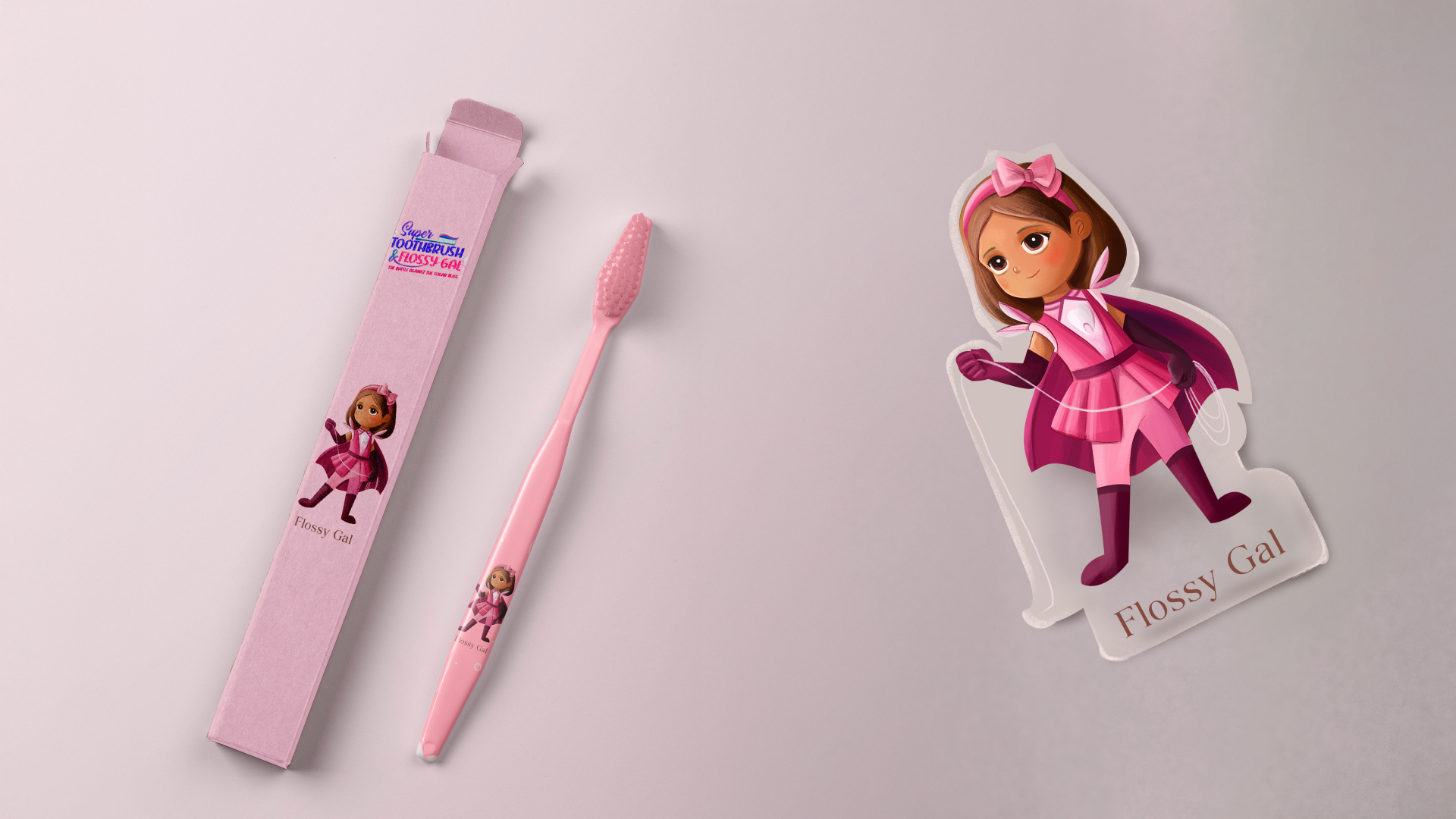
Super Toothbrush and Flossy Gal: The Battle Against the Sugar Bugs was created with this intention. The characters exist to support a daily ritual that happens morning and night, shaping how children emotionally experience oral care.
How Repetition Builds Familiarity and Safety
Children learn trust through repetition. When the same characters appear in familiar moments, those moments begin to feel predictable and safe.
That predictability lowers resistance. It invites cooperation without pressure. Over time, brushing and flossing become associated with confidence rather than correction.
This is how emotional equity is formed. Quietly, consistently, and without instruction.
Why Parents Respond to Purpose Built Stories
Parents are not looking for more information. They are looking for relief.
When a story helps a child participate willingly in a routine, parents experience immediate value. That value is emotional before it is practical.
Brands that support those moments are remembered differently. They are appreciated, recommended, and trusted.
From Daily Routines to Long Term Relationships
When characters are aligned with a meaningful role in a child's life, engagement does not rely on novelty. It grows through familiarity.
This creates a long arc of relationship between families and the brand. One that spans stages of childhood rather than single purchases.
That depth of connection is difficult to replicate and highly valuable.
The Broader Impact of Purpose Driven Characters
Purpose driven storytelling has the potential to extend beyond individual households.
When brands participate in narratives that support health, confidence, and positive routines, they contribute to collective wellbeing. That impact can be amplified through partnerships, accessibility initiatives, and thoughtful give back programs.
Meaningful contribution strengthens brand integrity while expanding reach.
The Business Value of Emotional Equity
Emotional equity drives measurable outcomes.
- Increased repeat purchasing
- Stronger word of mouth referrals
- Deeper brand loyalty across product lines
- Greater receptivity to future offerings
Families invest in brands that feel aligned with their values and experiences.
The Takeaway for Brand Leaders
Building emotional equity requires more than visibility. It requires presence in moments that matter.
Purpose driven characters aligned with daily routines offer brands a way to earn trust rather than demand attention.
When characters support real life experiences, emotional connection follows. That connection becomes the foundation for lasting loyalty, meaningful impact, and sustainable growth.